
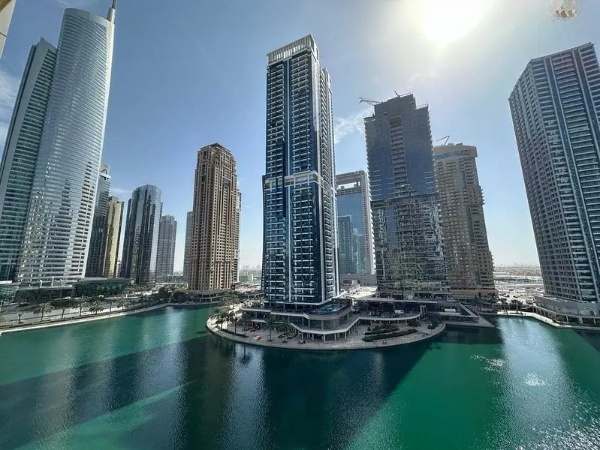

Dubai in 2026 continues to strengthen its position as one of the world’s most dynamic cities. Known for its ability to adapt quickly to global change, the emirate has entered the year with a strong focus on innovation, sustainability, economic diversification, and quality of life. From cutting-edge transport solutions to major business events and cultural milestones, Dubai’s 2026 story reflects ambition backed by action.
Economic Growth and Strategic Vision
Dubai’s economy in 2026 remains resilient and forward-looking. Growth is driven primarily by non-oil sectors such as tourism, real estate, logistics, financial services, and technology. The emirate’s long-term roadmap, aligned with the Dubai Economic Agenda (D33), aims to double the size of the economy over the next decade and position Dubai among the world’s top three global cities for business and investment.
Government spending priorities in 2026 emphasize digital transformation, infrastructure development, healthcare, education, and innovation. Dubai’s flexible fiscal approach allows it to respond quickly to global market changes while maintaining investor confidence. Free zones, simplified licensing procedures, and long-term residency programs continue to attract entrepreneurs, startups, and multinational companies.
Technology and Smart City Expansion
One of the defining themes of Dubai in 2026 is the rapid integration of technology into daily life. Artificial intelligence, automation, and data-driven governance are no longer experimental concepts but operational realities across the city.
A major milestone this year is the wider rollout of autonomous transport. Driverless taxis are now operating in multiple zones, offering residents and visitors a glimpse into the future of urban mobility. These services support Dubai’s long-term goal of converting a significant percentage of all journeys to autonomous modes, reducing congestion and emissions while improving efficiency.
AI is also being used to enhance public services. Smart monitoring systems help manage traffic flow, improve waste management, and maintain public cleanliness. Government departments increasingly rely on predictive analytics to improve decision-making and service delivery, reinforcing Dubai’s reputation as one of the world’s leading smart cities.
Sustainability and Environmental Action
Sustainability has become a central pillar of Dubai’s development strategy in 2026. Environmental policies now focus on reducing waste, improving energy efficiency, and encouraging responsible consumption. Restrictions on single-use plastics have expanded, and recycling initiatives are more visible across residential, commercial, and public spaces.
Dubai continues to invest in renewable energy, particularly solar power, as part of the UAE’s broader clean energy targets. Green building standards are increasingly enforced, and new developments are designed with sustainability in mind, incorporating energy-efficient systems and environmentally friendly materials.
Public awareness campaigns around sustainability are also gaining traction. Residents and businesses are encouraged to participate in eco-friendly practices, reflecting a growing culture of environmental responsibility across the city.
Transportation and Infrastructure Developments
Infrastructure development remains a cornerstone of Dubai’s growth in 2026. Roads, bridges, public transport systems, and logistics hubs are being upgraded to support a growing population and increasing commercial activity.
Dubai’s transport network continues to evolve with a focus on connectivity and convenience. Metro and bus services are expanding, while smart ticketing and real-time travel updates improve the commuter experience. At the same time, Dubai’s airports maintain their status as major global aviation hubs, connecting the city to hundreds of destinations worldwide.
On the maritime side, streamlined regulations for yachts and marine tourism have strengthened Dubai’s appeal as a luxury travel and leisure destination. These improvements support tourism while contributing to the broader economy.
Business, Trade, and Global Events
Dubai’s role as a global business hub is reinforced in 2026 through a packed calendar of international exhibitions, conferences, and trade events. Major industry gatherings in sectors such as technology, food and beverage, healthcare, finance, and security attract thousands of participants from around the world.
These events do more than showcase products and services; they create platforms for collaboration, investment, and knowledge exchange. Dubai’s ability to host large-scale international events efficiently continues to be a competitive advantage, supporting its image as a neutral and well-connected meeting point for global business.
The rise of the digital and creator economy is also notable. Dubai is increasingly positioning itself as a center for content creators, media startups, and digital entrepreneurs, supported by modern infrastructure and progressive regulations.
Education and Knowledge Economy
Education remains a priority area in Dubai’s 2026 development agenda. The city continues to expand its portfolio of international universities, research centers, and vocational institutions. Partnerships with global academic institutions help attract students from across the region and beyond.
Dubai’s focus on skills development aligns with its ambition to build a knowledge-based economy. Programs in artificial intelligence, data science, engineering, healthcare, and business leadership are designed to prepare students for future job markets and emerging industries.
Culture, Lifestyle, and Tourism
Dubai’s lifestyle and cultural offerings in 2026 reflect its diverse population and global outlook. The city hosts a wide range of cultural festivals, concerts, sporting events, and art exhibitions throughout the year. These experiences enhance quality of life for residents while strengthening Dubai’s tourism appeal.
Tourism remains a key economic driver, with visitors drawn by world-class attractions, luxury hospitality, shopping, and entertainment. Dubai’s ability to blend modern innovation with traditional heritage continues to set it apart from other global destinations.
Safety, cleanliness, and infrastructure quality remain strong selling points, reinforcing Dubai’s reputation as a family-friendly and business-friendly city.
Looking Ahead
As 2026 unfolds, Dubai shows no signs of slowing down. Its leadership continues to balance ambition with pragmatism, ensuring that growth is sustainable, inclusive, and future-ready. By investing in technology, people, and infrastructure, Dubai is shaping a city that is not only prepared for tomorrow but actively defining it.
From smart mobility and AI-driven governance to cultural vibrancy and economic resilience, Dubai in 2026 stands as a powerful example of how cities can evolve in a rapidly changing world.


Leave a Reply